
In a world of digital handshakes and virtual agreements, the ancient office of the Notary Public stands as a quiet bastion of trust. That simple act of witnessing a signature, embossed with an official seal, is the glue holding together countless real estate deals, legal affidavits, and vital personal documents. In New York, a state driven by finance, law, and relentless transaction, the role of the Notary is both crucial and commonplace. But have you ever considered stepping into this role yourself? Becoming a Notary Public in New York is more than just obtaining a stamp; it’s a commitment to integrity, a professional opportunity, and a fascinating foray into the mechanics of legal verification.
So, why become a Notary? The motivations are as varied as the individuals who apply. For some, it’s a professional necessity. Legal assistants, paralegals, bankers, and real estate professionals find it an indispensable tool, streamlining workflows and adding a layer of service for clients and firms. For others, it’s a flexible side business—a “mobile notary” can serve a community by traveling to homes, hospitals, or offices, charging statutory fees (and often travel fees) for their convenience. And for many, it’s simply about civic contribution: being the trusted neighbor who can help notarize a permission slip, a loan document, or a power of attorney, ensuring important life events proceed without a hitch.
However, the path to wielding that stamp in the Empire State is defined by specific requirements and a deliberate process. Let’s demystify it.
Step 1: The Foundation – Meeting the Core Requirements:
New York sets clear, non-negotiable gates to entry. You must be at least 18 years old and be a legal resident of New York State—or, if you live in a bordering state (New Jersey, Connecticut, Pennsylvania, or Vermont), you must have a place of business or employment in New York. Critically, you must be of “good moral character.” This is assessed through background checks, and a felony conviction is an automatic disqualifier. The state seeks individuals who uphold the public’s trust inherently.
Step 2: The Crucible – The Application & Exam:
This is where the real work begins. The application is filed through the New York Department of State’s Division of Licensing Services. The current fee is $60 for the application, plus a $15 mandatory fingerprinting processing fee for the required background check. But the centerpiece for most first-time applicants is the state-administered examination.
The New York Notary Public exam is a serious test of knowledge. It’s a multiple-choice exam based on the official Notary Public License Law booklet. Don’t underestimate it; candidates must understand the law, their duties, and the limits of their authority. Topics include proper identification of signers, the intricacies of administering oaths and affirmations, the differences between acknowledgments and jurats (the two most common notarial acts), and the strict prohibitions—like not notarizing for a close relative or backdating a document. Thorough self-study or a preparatory course such as the Caviness Realty Institute’s “Becoming a Notary Public Workshop” is highly recommended.
Step 3: The Official Launch – Bond, Oath, and Commission:
Once you pass the exam and your application is approved, you receive your official Certificate of Official Character and Qualification from the Department of State. This is your ticket to the final steps. You must then:
- Purchase a $1,000 Surety Bond:This is not insurance for you; it’s a financial protection for the public. If your error or misconduct causes financial loss to a client, a claim can be made against this bond. The one-time premium is typically around $50-$100 for the four-year term.
- File Your Bond and Oath of Office:You take your bond and a notarized Oath of Office to the County Clerk’s office in the county where you reside (or work, for out-of-state applicants). The filing fee varies by county but is approximately $5-$10.
- Receive Your Commission:The County Clerk issues your physical, wallet-sized Notary Public Commission certificate. This is your legal authority to act. You are now a commissioned Notary Public of the State of New York.
Step 4: The Tools of the Trade – Seal, Journal, and Insurance:
With commission in hand, you’re almost ready. But you need your tools:
- The Official Seal: New York requires an inking stamp or an embosser that legibly shows your name, the words “Notary Public, State of New York,” your county, your commission expiration date, and the unique ID number from your commission. This creates the official mark on every document.
- The Notary Journal: While not mandated by state law (except for notarizations involving a motor vehicle), a detailed, sequential journal of every act you perform is your single most important protective tool. It creates a record of the date, document type, signer’s identification, and fee charged. In the event of a legal challenge, this journal is your best defense.
- Errors & Omissions (E&O) Insurance: This is the critical, often-overlooked step. Remember, the surety bond protects the public. E&O insurance protects you. It covers your legal defense costs and potential damages if you are sued for an alleged mistake (like improperly identifying a signer). For a modest annual premium, it provides essential peace of mind.
The Weight of the Duty: Ethics and Best Practices:
The technical steps are just the beginning. The essence of being a Notary is ethical vigilance. You are a ministerial officer, not an advisor. You verify identity, you witness willingness, and you attest to the act of signing. You cannot prepare legal documents or give legal advice (unless you are also an attorney). You must refuse any request that feels coercive, incomplete, or fraudulent. The power to say “no” is as important as the ability to say “I hereby certify.”
The Final Impression:
Becoming a Notary Public in New York is a four-year commitment (the standard commission term), renewable by following a simplified process. It is a role that blends public service with professional utility. In a landscape often clouded by uncertainty, you become a source of certified certainty. You are the impartial witness, the verifier of “yes, this person is who they say they are.”
Whether you pursue it to advance your career, build a small business, or simply serve your community, the journey instills a deep respect for the formalities that underpin our civil society. It’s more than a stamp in a pad; it’s your signature on a promise of trust to the people of New York.
For more information, contact us at info@cavrei.com or call (800) 983-1310.
About The Author
cavrei
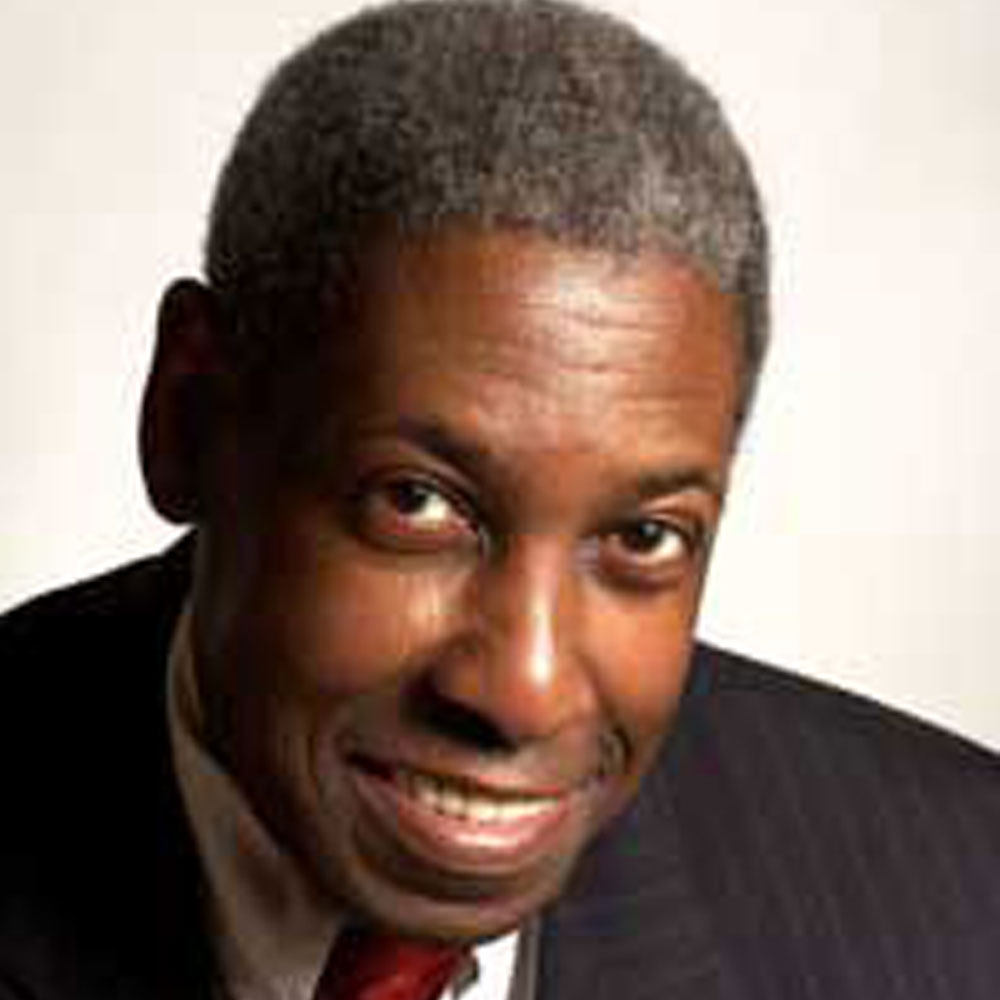
Gregory Caviness CDEI, AHPM, PSA, RAM, SFR Principal, Caviness Realty Institute Real Estate Broker, Investor, Author Gregory Caviness has established himself as a leader in real estate and related education. He is a recipient of the Certified Distance Education Instructor (CDEI) designation. In addition, he has achieved many certifications and designations in related disciplines including Assisted Housing Property Manager (AHPM), Pricing Strategy Advisor (PSA), Registered Apartment Manager (RAM), and Short Sale and Foreclosures Resource (SFR). He has authored three real estate books: "Selling Real Estate in Foreclosure-Driven Markets", "The Essential Home-Buyer Manual", and "New York State Real Estate Exam Preparation and Success Guide". He is also a contributor to the popular New York State real estate licensing textbook "New York Real Estate for Salespersons" by Marcia David Spada. Mr. Caviness has been regularly featured as a radio guest on a weekly radio broadcast (WVIP, New Rochelle), explaining mortgage and credit issues and answering call-in questions from the listening audience. Mr. Caviness’ approach to teaching is interactive. With each lesson, he shares his experiences in real estate and provides real-world examples of how each subject relates to practical experience. Mr. Caviness has also received appointment as Associate Professor at Adelphi University and the College of Mount St. Vincent — and has added Lehman College and Hostos Community College among the list of growing institutions seeking his expertise.