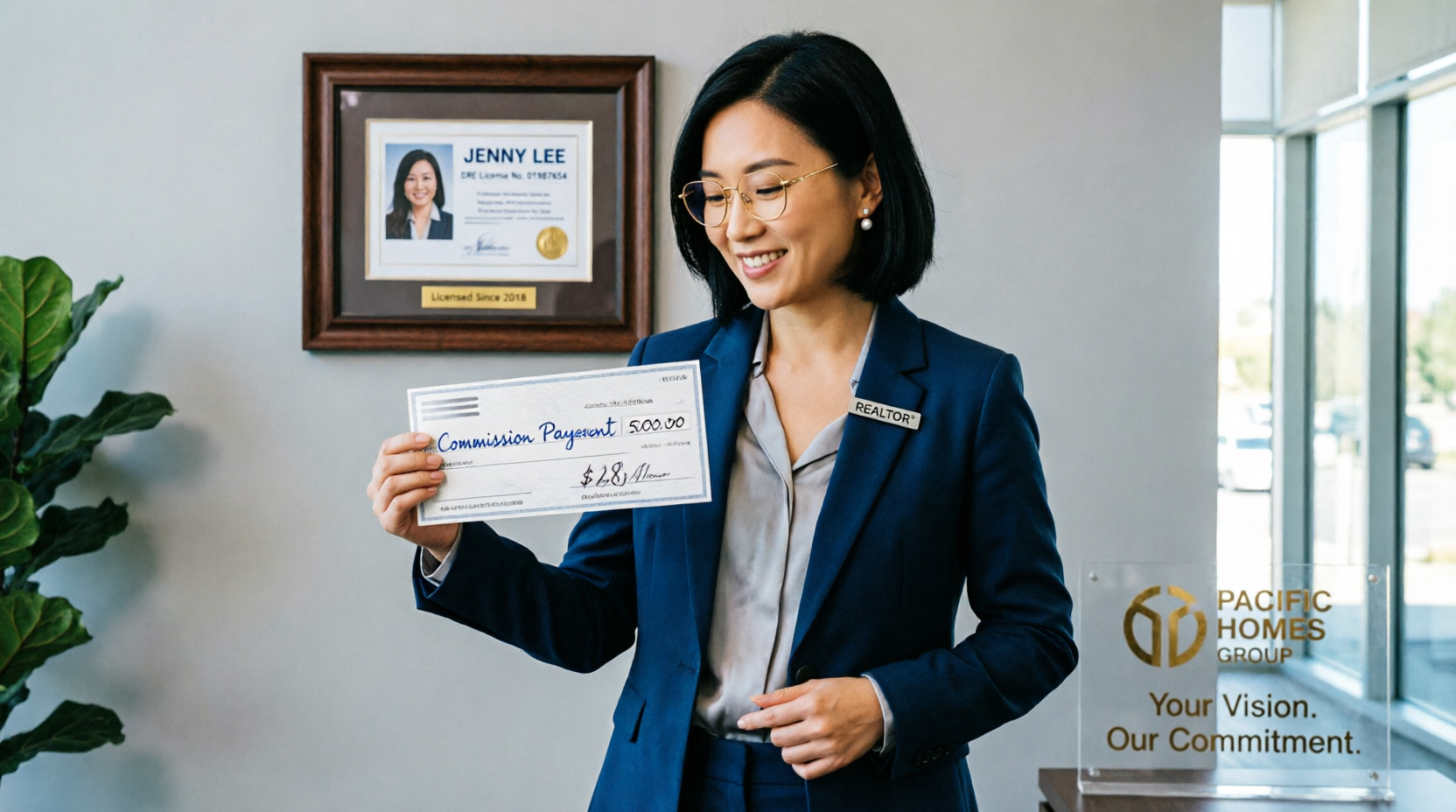
The next step after getting your license is to figure out how to generate income from it. And this is where most people feel stuck. Not because they’re lazy, but because they lack the guidance from a senior or experienced person. That just doesn’t lecture around, but actually shows you through implementation.
A person who just doesn’t bluff around theory but provides you with a structure so you can make smart decisions and move ahead in your career. Read further to know more.
What to Do Immediately After Getting Your Real Estate License
What sets the pace for your career are those first few weeks after getting your license and how you operate during this time. To proceed, you will first need to activate your license with a brokerage. Then you have to set up a basic system, email, a simple CRM, and a list of contacts. Nothing complex. Just enough to stay organized and responsive.
Once you are done with this, don’t wait for people to approach you or for more clarity before setting yourself up in the market. No, that is simply not the correct way because the delays don’t help. Learning is a process; the earlier you understand it, the faster you grow.
If you feel unsure about the process or the work itself, that’s a gap worth fixing early. The right real estate course in New York can help you understand how deals actually move, not just how to pass an exam. That difference shows up quickly once you start speaking with real clients.
Choose the Right Brokerage to Kickstart Your Career
Your brokerage isn’t just a place to hang your license. It shapes how quickly you improve.
A higher commission split sounds appealing, but it doesn’t matter much if you don’t have guidance. Early on, support is more valuable than a slightly bigger cut.
You need access to people who are active in the field. You need regular training, and, most importantly, someone you can go to when you’re unsure about a contract or a situation.
Your first brokerage might not offer much, but in the process, you will figure things out by observing others and asking questions at the right time. A better environment shortens that learning curve.
Build Your Personal Brand and Local Presence
Reports suggest that one thing we humans linger on the most is the sense of familiarity. People want to work with agents they remember. And for that, you don’t need a polished brand to start with. What it requires is consistency and showing up.
For that, we suggest you create an online presence and share what you are learning. Try talking about the market in simple terms. Let people see that you’re active.
At first, it feels like no one is paying attention, and thats completely natural. Then, slowly, people start noticing. Someone reaches out. A conversation starts, and you start making connections.
Offline matters just as much. Talk to people around you. Let them know you’re in real estate, not as a pitch but just as information.
If you’re still unsure how to position yourself, going back to a solid real estate course in New York can help you understand how to present your value clearly. That clarity makes your outreach more natural.
Smart Ways to Find Your First Clients and Leads
You don’t need complicated systems in the beginning. You need to have conversations, and what better way than to start with people you already have connections with? Let them know about you. Stay in touch without forcing it.
Places like open houses are a nice way to get through. Because in such places you will meet serious buyers. And there are chances that you might crack a deal there.
Cold outreach can work too, but only if it feels human. Rushing into a pitch usually ends the conversation. Asking questions and listening keep it going.
When you are just starting, do not try too hard on the “sounding professional” part. It makes conversations stiff; instead, focus on being helpful, and you will see things shift for the better.
Remember that you’re not there to push. You’re there to guide.
How to Close Your First Deal and Start Generating Income
Your first deal will feel uncertain at times. That’s part of the process.
There will be details you’re not fully confident about. Contracts, timelines, negotiations, each step brings something new. This is where having the right support system matters.
Stay responsive. Keep communication clear. Be honest when you need to double-check something.
Clients don’t expect you to know everything. They expect you to stay engaged and follow through.
When that first deal closes, things change. You start to understand the flow. Conversations feel easier. You begin to trust your own judgment, and the right mindset carries you into every deal after.
Conclusion
The first commission feels like progress, and it is. But it doesn’t build a career on its own.
What matters next is consistency. Stay in touch with people. Keep showing up. Keep learning.
The agents who last are the ones who repeat the basics without losing focus.
You don’t need to try every new strategy. Stick to what works: clear communication, steady outreach, and reliability.
If you’re serious about building something long-term, your starting point matters. The training you choose, the environment you step into, and the habits you build early all shape what comes next.
That’s why choosing the right real estate course in New York isn’t just about getting licensed. It’s about being prepared for the work that follows.
And that’s what determines whether you move forward or stay stuck.
About The Author
cavrei
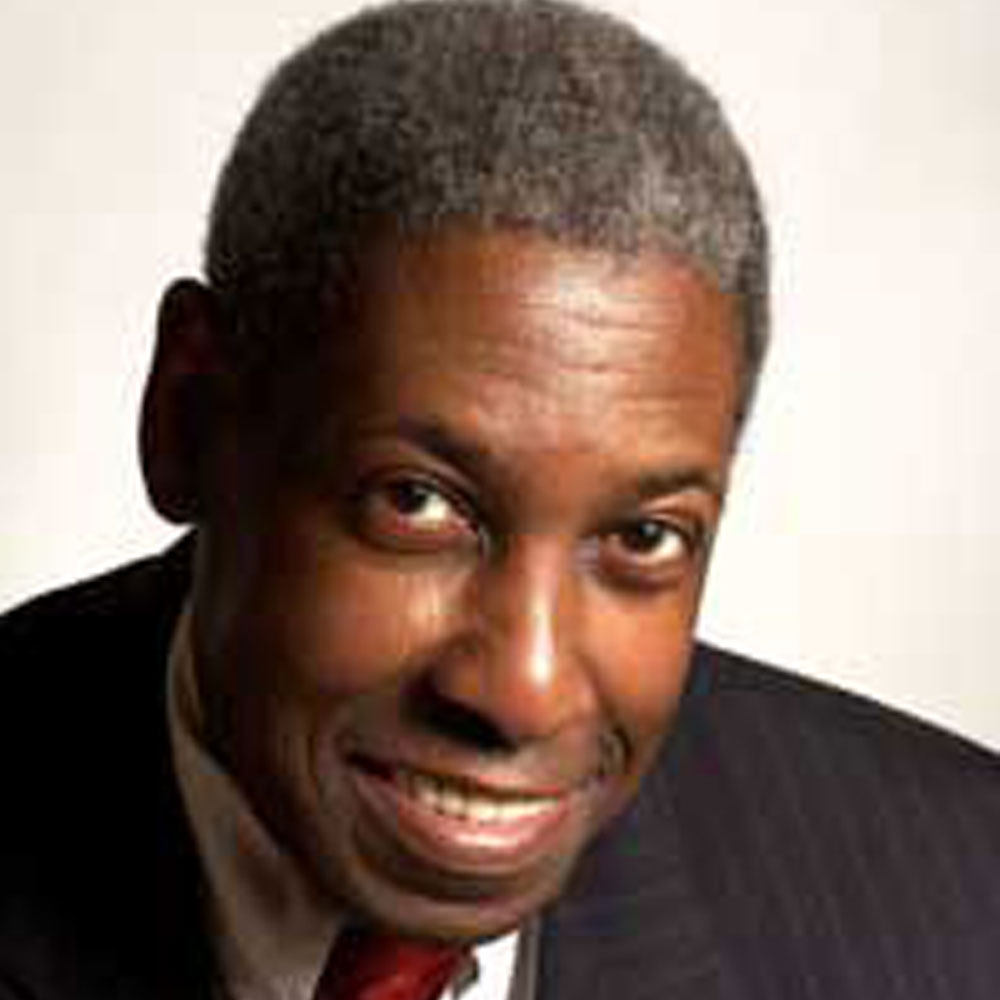
Gregory Caviness CDEI, AHPM, PSA, RAM, SFR Principal, Caviness Realty Institute Real Estate Broker, Investor, Author Gregory Caviness has established himself as a leader in real estate and related education. He is a recipient of the Certified Distance Education Instructor (CDEI) designation. In addition, he has achieved many certifications and designations in related disciplines including Assisted Housing Property Manager (AHPM), Pricing Strategy Advisor (PSA), Registered Apartment Manager (RAM), and Short Sale and Foreclosures Resource (SFR). He has authored three real estate books: "Selling Real Estate in Foreclosure-Driven Markets", "The Essential Home-Buyer Manual", and "New York State Real Estate Exam Preparation and Success Guide". He is also a contributor to the popular New York State real estate licensing textbook "New York Real Estate for Salespersons" by Marcia David Spada. Mr. Caviness has been regularly featured as a radio guest on a weekly radio broadcast (WVIP, New Rochelle), explaining mortgage and credit issues and answering call-in questions from the listening audience. Mr. Caviness’ approach to teaching is interactive. With each lesson, he shares his experiences in real estate and provides real-world examples of how each subject relates to practical experience. Mr. Caviness has also received appointment as Associate Professor at Adelphi University and the College of Mount St. Vincent — and has added Lehman College and Hostos Community College among the list of growing institutions seeking his expertise.